Pi Network Introduces PiRC1 Token Framework for Mainnet Ecosystem

TheNewsCryptoPublicado a 2026-02-23Actualizado a 2026-02-23

Resumen

Pi Network has introduced the PiRC1 token framework, a new utility-oriented standard for creating and managing tokens within its Mainnet ecosystem. This framework provides structured guidelines for token issuance, distribution, and emission logic, aiming to support real-world applications and services. A key feature is that funds from token launches will be directed to liquidity pools rather than project teams, enhancing trade stability. The proposal is open for community feedback on GitHub, reflecting Pi Network’s focus on community-driven governance. The move is expected to attract more developers and provide competitive advantages by offering clear operational parameters. This development coincides with significant Mainnet growth, including millions of users completing identity verification.

The Pi Network has rolled out a new utility-oriented token design framework for the Mainnet ecosystem, which highlights structured standards for the launch of future tokens. The move is a breakthrough for the network as it continues to develop its Open Network phase. Through the establishment of token standards, Pi Network aims to offer developers a clear guideline on how to create tokens within the ecosystem.

Structured Token Standards and Emission Logic

The PiRC1 document describes guidelines for token creation, management, and distribution patterns in the ecosystem. The guidelines focus on real-world applications rather than hypothetical scenarios, promoting tokens that enable applications and services running on Mainnet. As per the design published, the ecosystem tokens would co-exist with the native Pi coin, enabling decentralized applications and digital commerce. The design specifies the emission logic to inject the tokens into the system in a structured fashion.

The document also outlines ways that are expected to facilitate liquidity creation. According to the proposed structure, funds raised from the launch of ecosystem tokens would go into liquidity pools and not directly to project teams. This is expected to improve the stability of trade flows and eliminate structural uncertainties.

Developers expected to implement the proposal can examine the technical details and offer comments before final implementation. Pi Network has published the framework publicly on GitHub to allow community members to contribute to its improvement.

Community Engagement and Ecosystem Development

The proposal has been framed by Pi Network as part of a larger initiative to promote community-driven governance and development. Members of the community can access the document and provide feedback during the feedback period. Industry analysts have pointed out that well-defined token standards can help remove confusion for developers working on blockchain networks. Well-structured supply dynamics and rules for token emissions can also help improve clarity for participants in the ecosystem.

The announcement comes at a time when Pi Network is celebrating the growth of its Mainnet ecosystem. Millions of users have completed identity verification and switched over to Mainnet, and developers are working on applications in the network environment.

Experts believe that standardized token frameworks could assist in attracting more developers with clearer operating parameters. The standardized design of tokens could also give the ecosystem a competitive edge over projects that do not have standardized guidelines. The Pi Network has not set a final timeline for implementation, as the proposal is still open for community feedback.

Highlighted Crypto News:

AI Automation Mishap Leads to $442K Memecoin Transfer on Solana

TagsCryptoCryptocurrencyMainnetMainnet 2.0Pi NetworkTOKEN

Preguntas relacionadas

QWhat is the main purpose of the PiRC1 token framework introduced by Pi Network?

AThe PiRC1 token framework provides structured standards for token creation, management, and distribution within the Pi Mainnet ecosystem, focusing on real-world applications and enabling decentralized applications and digital commerce.

QHow does the PiRC1 framework propose to handle funds raised from ecosystem token launches?

AFunds raised from ecosystem token launches would go into liquidity pools rather than directly to project teams, aiming to improve trade flow stability and eliminate structural uncertainties.

QWhere has Pi Network published the PiRC1 framework for community review and contribution?

APi Network has published the framework publicly on GitHub to allow community members to examine technical details, offer comments, and contribute to its improvement.

QHow does the PiRC1 framework aim to benefit the Pi Network ecosystem according to industry analysts?

AWell-defined token standards can remove confusion for developers, while structured supply dynamics and emission rules provide clarity for ecosystem participants, potentially attracting more developers and giving the ecosystem a competitive edge.

QWhat milestone is Pi Network celebrating alongside the introduction of the PiRC1 framework?

APi Network is celebrating the growth of its Mainnet ecosystem, with millions of users having completed identity verification and migrated to Mainnet, while developers are building applications in the network environment.

Lecturas Relacionadas

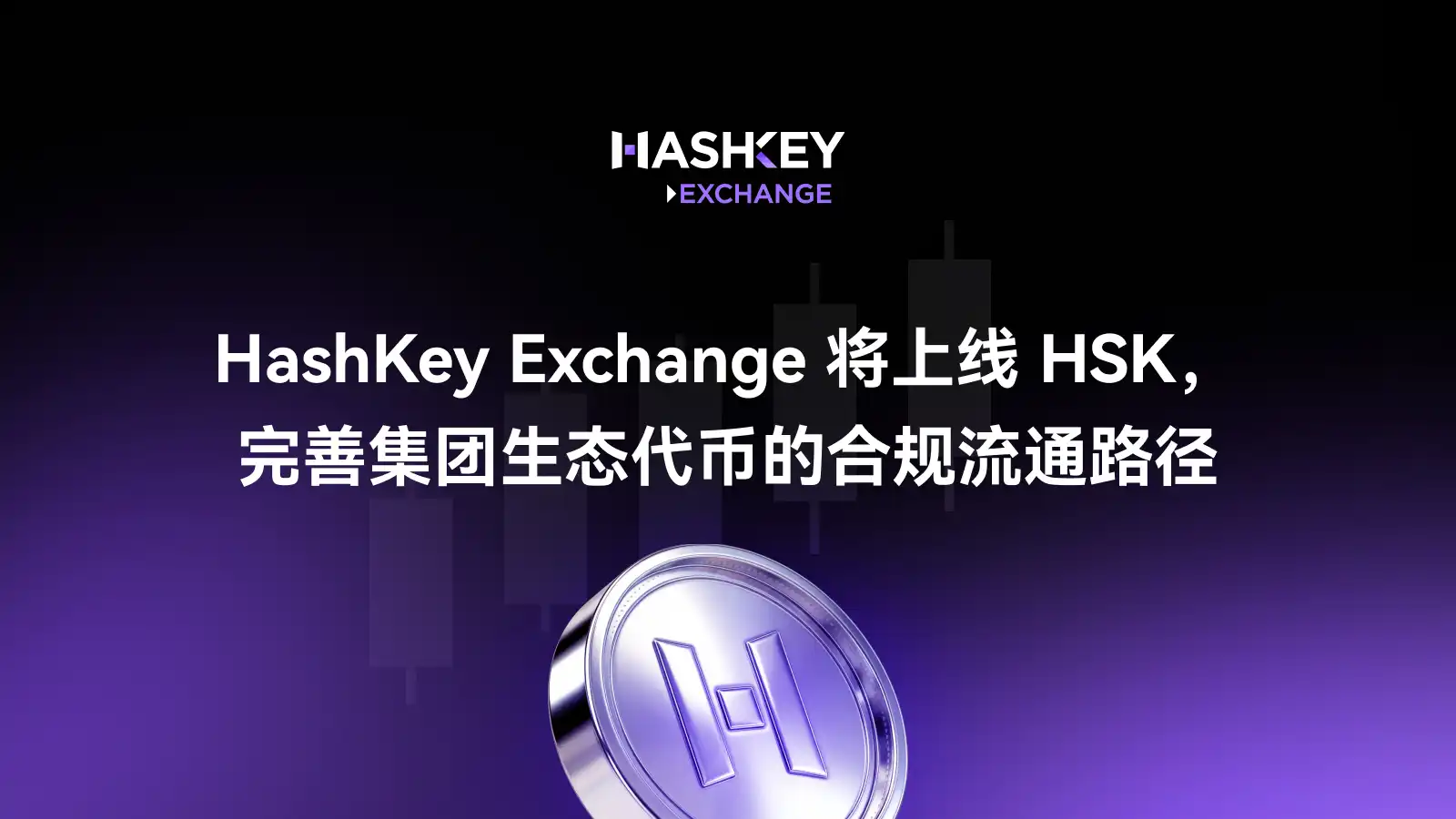
HashKey Exchange to List HSK, Enhancing the Compliant Circulation Path for the Group's Ecosystem Token

HashKey Exchange, Hong Kong's largest licensed digital asset exchange, will list HSK, the HashKey Group ecosystem token, on February 25th at 16:00 Hong Kong Time. Trading will be available exclusively to eligible professional investors. Deposit and withdrawal services for HSK are now active via HashKey Chain or the Ethereum network (ERC20). This listing marks HSK's official entry into a Hong Kong licensed trading platform, enabling regulated trading and circulation. As the native token of HashKey Group, HSK supports the Group's diverse business operations, which include licensed trading, investment and asset management, tokenization, and infrastructure services. It also functions as the native token for HashKey Chain, where it is used to pay for Gas fees. HashKey Group stated it will continue to advance its ecosystem and infrastructure development within regulatory frameworks, focusing on transparency and long-term growth to expand institutional-grade digital asset applications. Michelle Cheng, Director of HashKey Exchange, emphasized that the listing aims to enhance HSK's trading channels and liquidity, supporting broader ecosystem development in response to growing market demand for compliant and auditable blockchain infrastructure. HashKey Exchange, a subsidiary of HashKey Holdings Limited (3887.HK), is one of Hong Kong's first licensed retail virtual asset exchanges, holding Type 1, Type 7, and VATP licenses from the SFC. It is ISO 27001 and ISO 27701 certified and does not serve users in Mainland China, the U.S., and certain other jurisdictions.

marsbitHace 18 min(s)

HashKey Exchange to List HSK, Enhancing the Compliant Circulation Path for the Group's Ecosystem Token

marsbitHace 18 min(s)

Trading

Spot
Futuros
活动图片